Massachusetts will allow camera systems in place of truck mirrors starting Nov. 30, with inspection and training rules
The Registry of Motor Vehicles is authorizing three federally exempted camera monitoring systems for heavy trucks, buses and hazmat vehicles, but carriers must train drivers, inspect the equipment and notify the state.
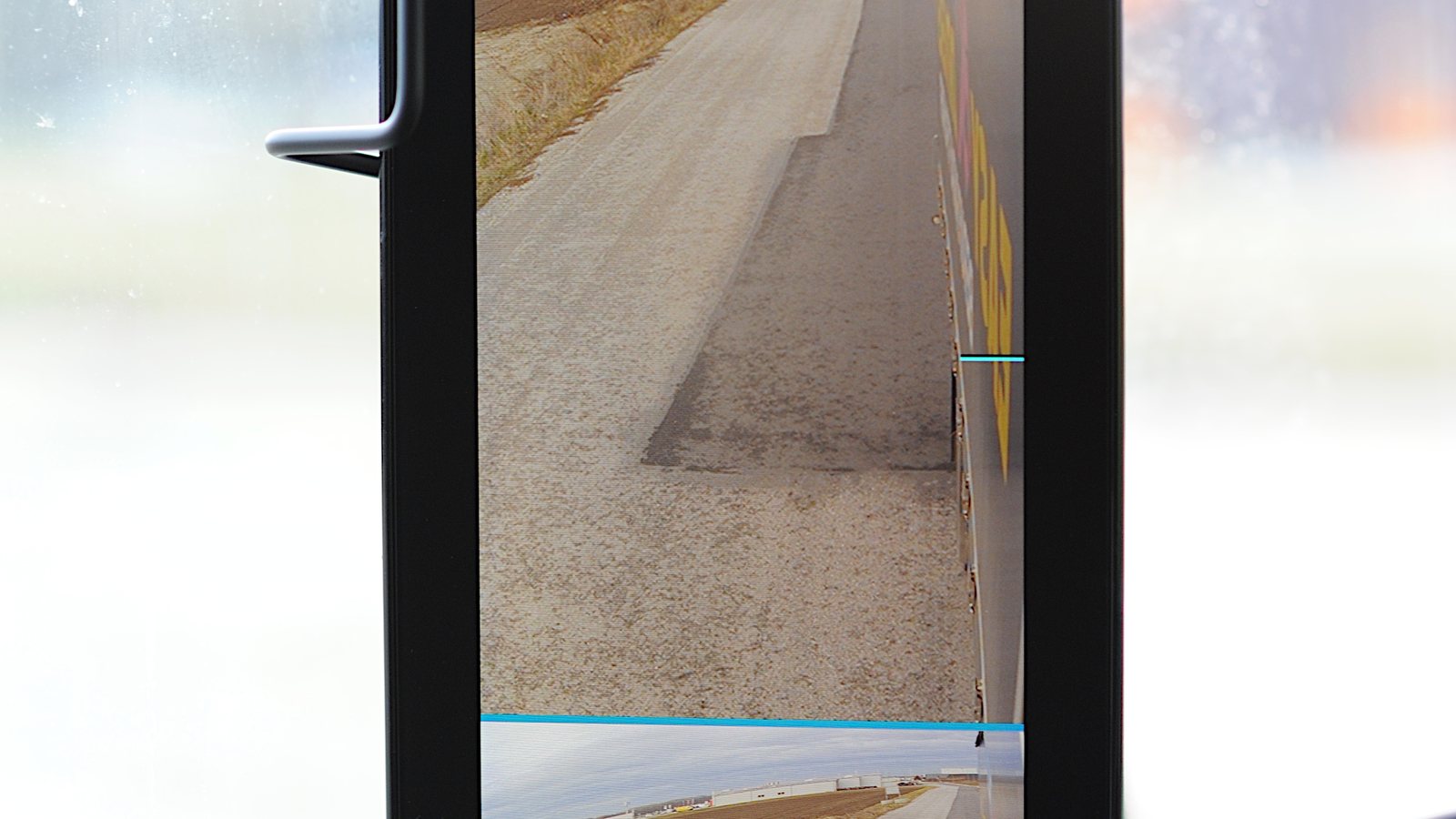
Starting November 30, 2026, some commercial vehicles in Massachusetts can use digital camera monitoring systems instead of conventional rearview mirrors. The Massachusetts Registry of Motor Vehicles announced the authorization on September 9. It comes with a list of conditions for fleets that choose to use the technology.
Camera monitoring systems mount cameras on the outside of the vehicle and show the view on screens inside the cab. The RMV said the systems can widen the driver's field of view, reduce blind spots and improve visibility in some conditions.
Which vehicles and systems qualify
The authorization covers commercial vehicles that:
- weigh more than 10,001 pounds
- carry more than eight passengers, including the driver, for pay
- carry more than 15 passengers, including the driver, without pay
- carry hazardous materials in amounts that require federal placards
To qualify, a system must hold a current exemption from the Federal Motor Carrier Safety Administration. At the start, three systems qualify: Safe Fleet's MirrorLESS system, Rosco Vision's CV Digital system and Stoneridge's MirrorEye system. A system stays eligible only while its federal exemption is in effect.
What carriers must do
Owners and motor carriers that use an approved system must:
- install and maintain it according to federal and manufacturer requirements
- inspect the cameras, screens and related equipment before and after each trip
- fix defects before the vehicle goes back into service
- train drivers with both classroom instruction and hands-on practice
- set procedures for drivers to follow safely if the system fails
- notify the RMV within five days of installing, removing or replacing a system
Drivers must keep documentation in the vehicle showing that the system qualifies and was properly installed.
Inspections and CDL tests
The RMV said inspection stations will not fail an eligible vehicle just because it has no conventional mirrors, as long as the camera system works and the required paperwork is on board.
The authorization does not apply to CDL skills tests. Applicants must still use conventional mirrors for the entire test.
The RMV can suspend or revoke the authorization for any vehicle, driver or carrier that does not follow the requirements, or if it finds that a system is compromising safety.
Registrar Colleen Ogilvie said the technology is an important advance. She also said safe use depends on proper installation, maintenance and driver preparation, and she described the program as a way to bring federally approved equipment to Massachusetts without weakening safety oversight.
MeVa, the regional transit agency serving the Merrimack Valley, said in the same announcement that it had tested camera systems on its buses for two years. It said the testing improved visibility and helped prevent mirror strikes.
The RMV said it will post filing instructions and program guidance on its website before November 30. Fleets planning to switch should watch for that guidance before putting the systems into service in Massachusetts.