Grote says its rear-collision warning lamps would pulse amber, not glow red; FMCSA reopens comments to Nov. 19
The lighting maker revised how its radar-triggered lamps would behave after safety officials warned that a steady red light could be mistaken for braking.
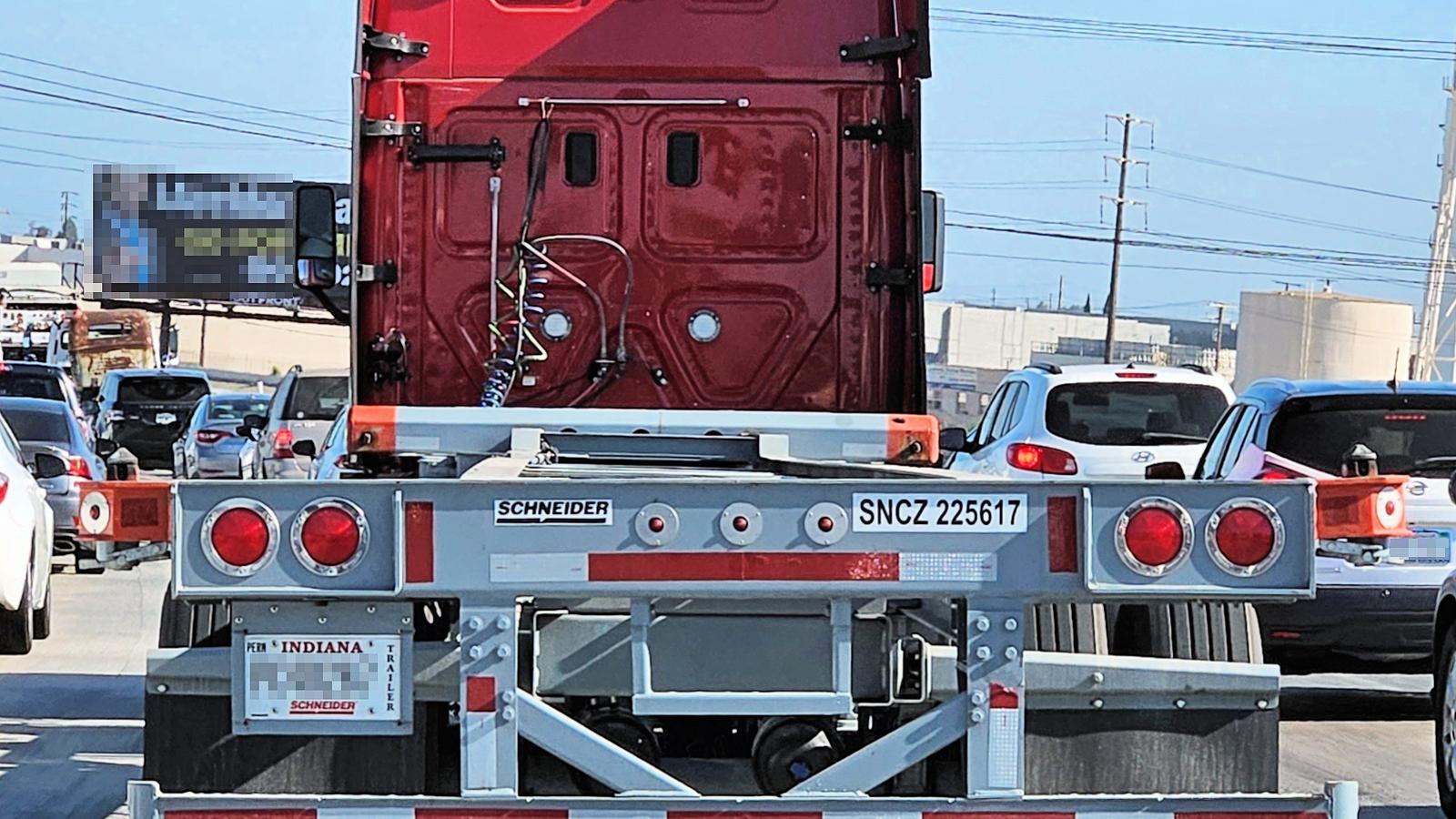
The Federal Motor Carrier Safety Administration has reopened public comment on Grote Industries' request to use radar-triggered warning lamps on the back of trucks and trailers. Grote has changed its description of how the lamps would work. Comments are due November 19, 2026.
The notice, published in the Federal Register on October 20, 2026, covers Grote's Rear-End Collision Warning (RCW) system. Grote applied on December 10, 2025, for a five-year exemption from 49 CFR 393.25(e), which generally requires exterior lamps on commercial motor vehicles to burn steadily rather than flash.
How the system works
A rear-facing radar tracks vehicles coming up from behind and calculates the time to collision. When that time drops to a set threshold, the system switches on extra warning lamps to get the following driver's attention. Grote's application put the threshold typically between 2.1 and 4.0 seconds.
In the supplemental information described in the notice, Grote said the radar can detect approaching vehicles about 200 meters back. It said the system works on its own, with no input from the truck driver, and that it would not interfere with other radar-based detection systems on the vehicle.
What changed
When FMCSA first published the request on February 9, 2026, the agency described lamps that would flash or strobe and then burn steady red while the collision risk lasted. FMCSA later extended that comment period to May 10, 2026, at the request of the Commercial Vehicle Safety Alliance.
During that period, CVSA warned that drivers behind a truck could read a steady red light as a sign the truck was braking. The group recommended that the warning not switch from flashing amber to steady red unless the brakes were actually applied.
After the comments closed, FMCSA staff asked Grote for more detail. Grote now says that in RCW mode, the auxiliary lamps pulse amber for up to four seconds each time the system activates and do not turn steady red. Steady red, Grote said, belongs to its separate brake-activated pulsing lamp function, which uses the same lamps.
If a collision warning and a brake application happen at the same time, the brake function takes priority. Any steady red light would therefore mean the truck is braking, not that the radar has detected a closing vehicle.
Scope
Grote told FMCSA it wants the exemption to cover all commercial motor vehicles. On doubles and triples, the system would be installed on the rear-most trailer. The original application also mentioned side-mounted use to help prevent side impacts during parking maneuvers.
FMCSA has added a memo to the docket summarizing its meeting with Grote, including a chart showing how the warning and braking functions interact. The agency said it will consider only comments on this new information. Comments can be filed on Regulations.gov under docket FMCSA-2026-0100.