Emergency hours-of-service relief is back to 30 days under FMCSA final rule
A regional emergency declaration again triggers a full month of hours-of-service relief for drivers giving direct assistance, reversing a 2023 cut to 14 days.
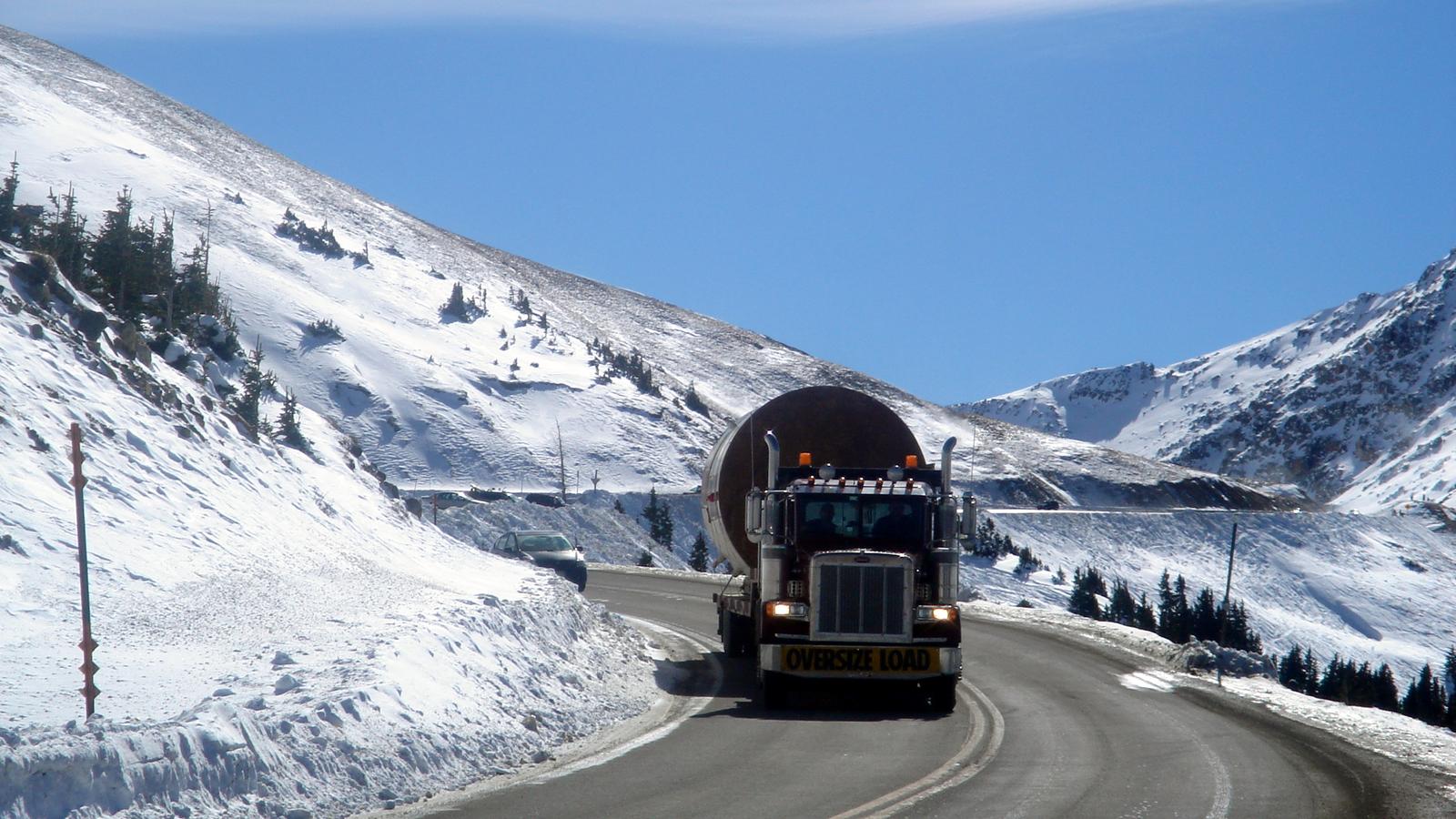
Truck drivers hauling relief loads after a hurricane, wildfire or winter storm again get up to 30 days of automatic hours-of-service relief when a regional emergency is declared. A Federal Motor Carrier Safety Administration final rule restoring the longer period took effect on October 5, 2026.
The rule amends FMCSA's emergency regulations in 49 CFR Part 390. Relief is triggered automatically when a governor, a governor's authorized representative or FMCSA declares a regional emergency. The rule extends that period from 14 days back to 30. It was published in the Federal Register on October 5, and petitions for reconsideration were due by November 4, 2026.
What it covers
The automatic exemption is narrow. It applies only to commercial vehicles giving direct assistance in response to a declared emergency, meaning work aimed at restoring essential services and supplies. It lifts the hours-of-service limits in 49 CFR 395.3 and 395.5. It ends when the emergency period ends, even if that comes before 30 days. FMCSA can still extend relief beyond 30 days under 49 CFR 390.25.
Why it changed
The 30-day period was the norm until October 2023, when an FMCSA rule cut the automatic window to 14 days. Several groups petitioned the agency to reconsider. FMCSA proposed restoring 30 days in January 2026, and the comment period ran until March 10.
The agency said 17 comments arrived, and 13 addressed the proposal. Supporters included CVSA, OOIDA, the Shippers Coalition, the Montana Department of Transportation, the National Propane Gas Association, fuel and gas distributor groups, and a joint filing from the transportation departments of Idaho, Montana, North Dakota, South Dakota and Wyoming. The states told FMCSA there was no record of safety problems from emergency hours-of-service relief. National Tank Truck Carriers took no position and said the change would likely have limited practical effect for tank fleets.
FMCSA said the 14-day limit had created extra paperwork, because states and the agency had to keep filing extensions during longer recoveries. In its experience, the agency said, regional emergency exemptions rarely need more than 30 days.
Requests FMCSA turned down
FMCSA declined several requests to go further:
- A private commenter asked for a 90-day period, citing the Stafford Act. FMCSA said Stafford Act declarations serve a broader purpose, mainly federal relief funding.
- The National Rural Electric Cooperative Association asked that the residential heating fuel exemption cover electricity. FMCSA said that exemption comes from statute, which defines heating fuel as heating oil, natural gas and propane.
- Energy Marketers of America urged clearer guidance on declarations issued ahead of major storms. FMCSA said it would consider the idea but made no change in this rule.
For fleets, the practical point is simple. When a regional emergency declaration is issued, check its dates and covered supplies, and keep a copy in the cab for drivers who run under it.