Kodiak says driverless I-45 launch is 99% ready, with an IKEA route first
Its safety-case score has climbed from 84% in February. The first driverless long-haul service will run between Dallas and Houston.
Kodiak says it is one step from running driverless long-haul trucks on a U.S. interstate.
The Mountain View, California, autonomous trucking company said on Oct. 30 that its Autonomy Readiness Measure (ARM) for long-haul driverless operations has reached 99%. Kodiak says that puts it ahead of pace to launch driverless commercial service on highways by the end of 2026.
What the 99% measures
The ARM tracks how much of Kodiak's safety case is materially complete. The safety case is a structured argument, backed by evidence, that the Kodiak Driver can operate safely in a defined environment with no one in the cab.
The score has moved steadily this year:
| Month (2026) | ARM | |---|---| | February | 84% | | April | 86% | | July | 91% | | August | 93% | | September | 96% | | October | 99% |
"We've identified and scheduled the remaining engineering verification and validation milestones needed," said Don Burnette, founder and CEO. "This is the home stretch."
The first lane
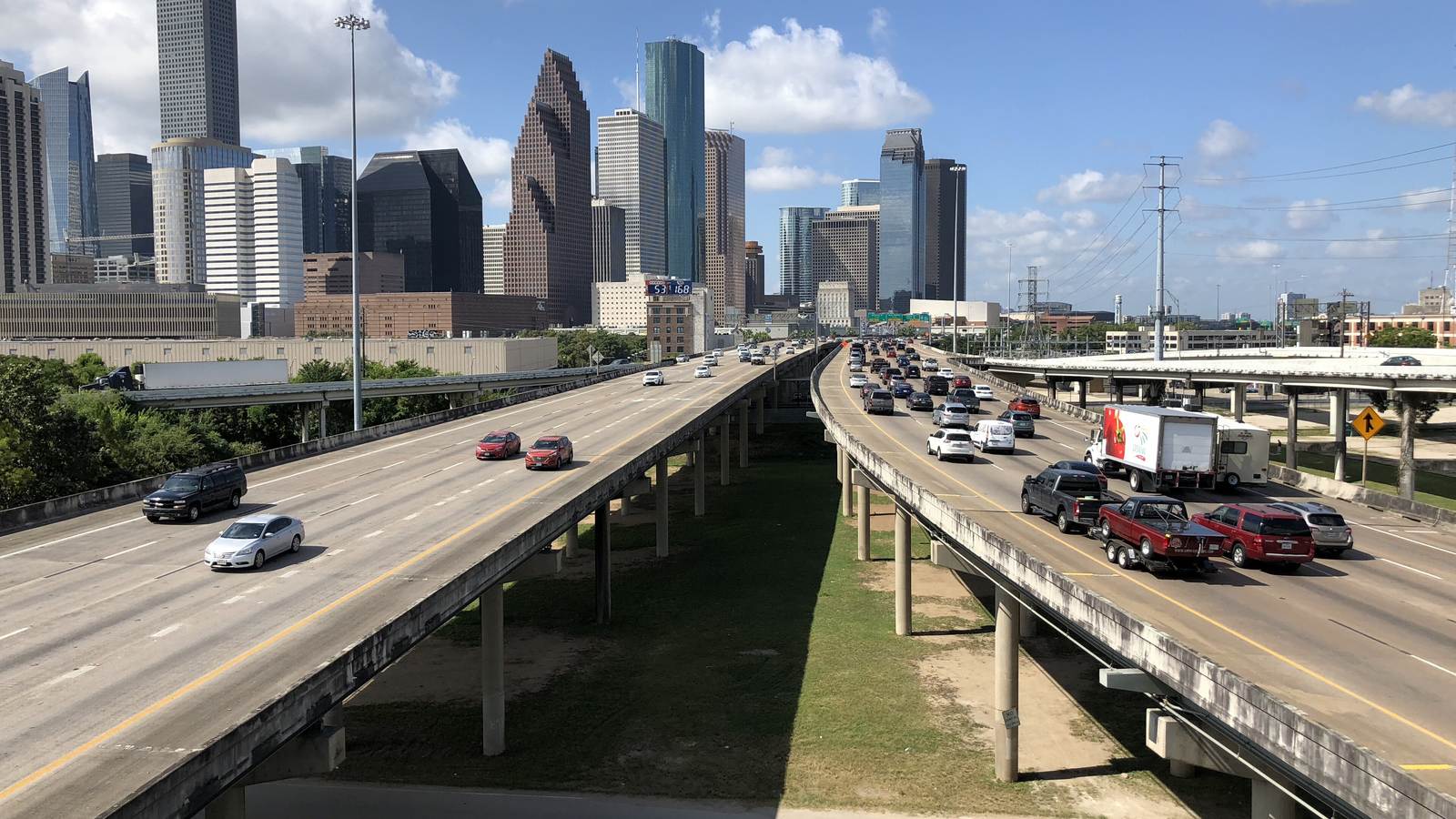
Once the safety case is closed, Kodiak says it will start driverless operations on Interstate 45 between Dallas and Houston. Its shipper launch partner is IKEA, on an initial 219-mile route.
Frank Fratrik, Kodiak's director of safety, said October's progress came from its Probabilistic Risk Assessment method and its BreakPoint simulation tool, which searches for rare edge-case scenarios. The company also worked on the operating scope and procedures for runs with no driver on the I-45 corridor.
Already running off-highway
The highway case builds on Kodiak's work in the Permian Basin. As of the end of the second quarter of 2026, its system ran in 35 driverless trucks with nobody in the cab. Those trucks are owned and operated by its customer, Atlas Energy Solutions.
The fine print
Kodiak has not given a launch date. Its release says the timing depends on finishing the safety case, and it lists the usual risks, including partner delays and the pace of the technology.
For Texas fleets, the change is close. A driverless truck on I-45 means sharing one of the state's busiest freight corridors with a tractor that has no one to talk to at a stop or on the CB.