Senate bill would give truck drivers the same restroom access as customers and employees at shippers and receivers
The Trucker Bathroom Access Act, introduced Nov. 12, also tells marine terminal operators to provide restrooms and parking for drayage drivers. ATA says a committee vote is set for next week.
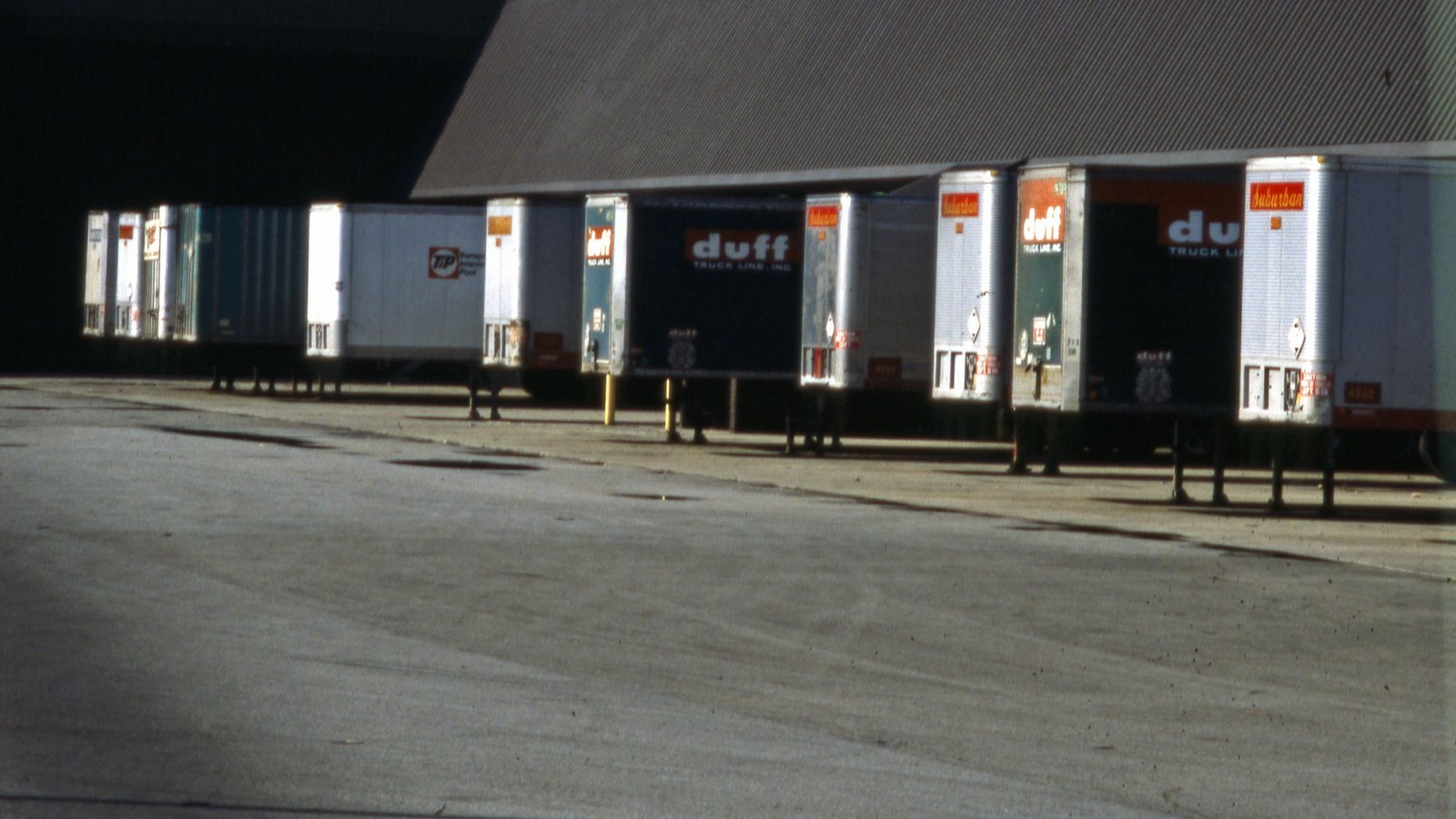
Truck drivers picking up or delivering freight would have a legal right to use the restrooms that a business already offers its customers or employees under a bipartisan bill introduced in the U.S. Senate on Nov. 12.
Sens. Lisa Blunt Rochester (D-Del.) and Deb Fischer (R-Neb.), both members of the Senate Commerce, Science and Transportation Committee, introduced the Trucker Bathroom Access Act, according to Blunt Rochester's office. The House companion is led by Reps. Troy Nehls (R-Texas) and Chrissy Houlahan (D-Pa.).
The American Trucking Associations said Nov. 13 that the Senate bill is scheduled for a vote in the Commerce Committee next week. ATA said the House version was approved by the House Transportation and Infrastructure Committee in May as part of the Build America 250 Act.
Who would have to open the door
According to the bill text, the rule would cover two kinds of businesses:
- Any place of business open to the general public for the sale of goods or services
- Any shipper, receiver, manufacturer, warehouse, distribution center or other business that sends or receives goods by commercial motor vehicle
A driver would have to be given access to a covered restroom at a business where the driver is delivering goods, or where the driver is waiting for the truck to be loaded.
The bill covers commercial motor vehicle operators whose qualifications and hours of service the Secretary of Transportation has the power to set.
The limits
The bill does not require any business to build new restrooms or make physical changes to existing ones. It applies only to restrooms already meant for customers or employees, and only where letting a driver in would not create an obvious health or safety risk to the driver or an obvious security risk to the business.
It also exempts small buildings, such as a filling station, service station or restaurant of 800 square feet or less, whose only restroom is meant for employees.
Ports and drayage
A separate section deals with drayage drivers, defined as drivers of trucks rated above 33,000 pounds gross vehicle weight working on port or intermodal rail yard property. Marine terminal operators, including a port authority that runs its own terminal, would have to provide enough restrooms or portable toilets in the areas drayage drivers normally reach, add more where they are most needed, and give drivers a place to park while they use them.
Who backs it
The senators' office lists the Owner-Operator Independent Drivers Association, ATA, the Women in Trucking Association, She Trucking and Trinity Logistics as supporters.
"This is another way we can help our truckers who put in long hours to keep products moving," Fischer said in the release.
ATA said bathroom access ranks among the biggest challenges for professional drivers, particularly women, citing research by the American Transportation Research Institute.