Record costs, thinner offices: small carriers run the back office with fewer people
ATRI found fleets cut non-driver staffing by 7.8% in 2025 as per-mile costs hit a record, leaving dispatch, billing and fleet paperwork to fewer hands.
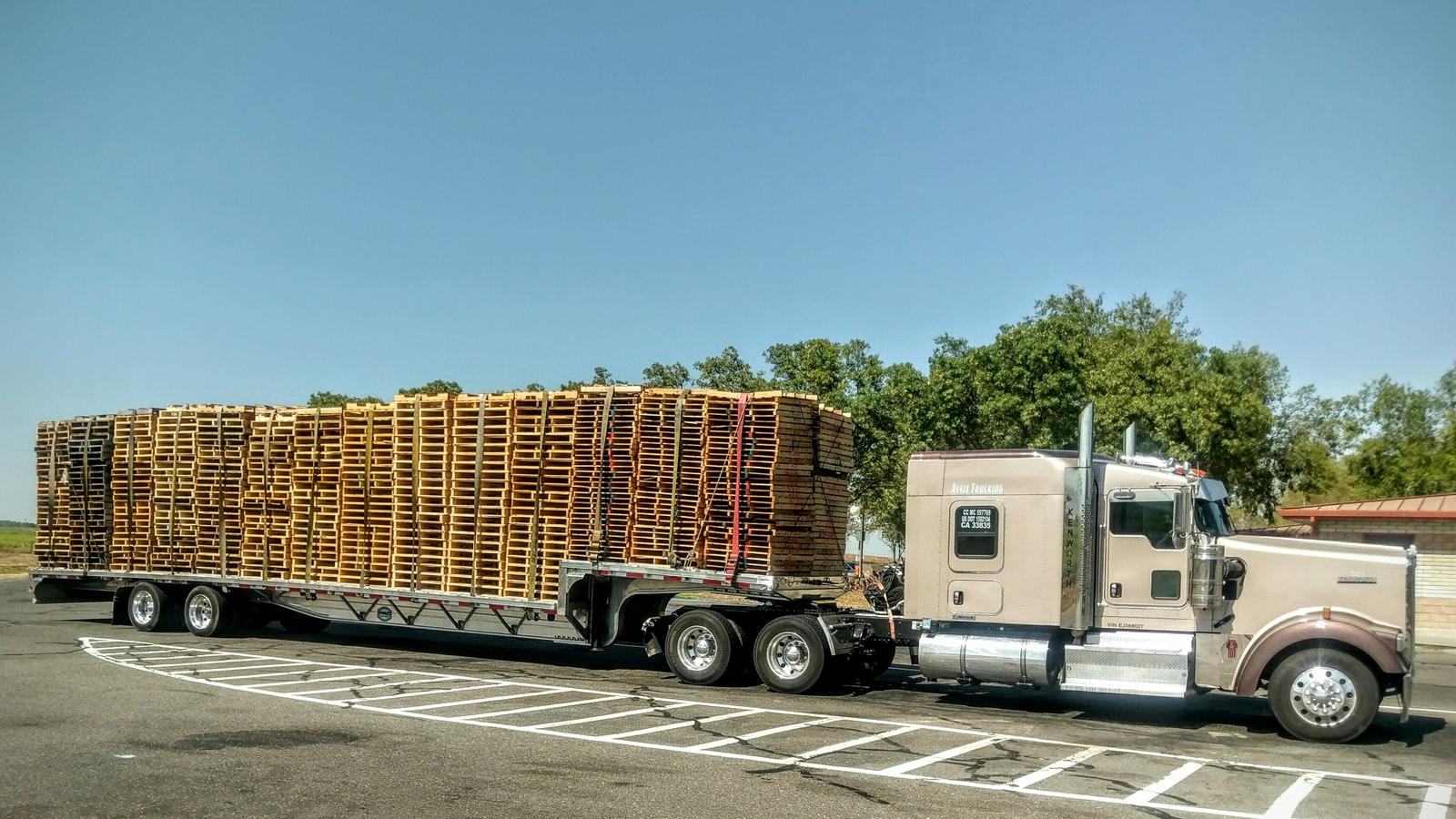
Running a truck cost more in 2025 than in any year the American Transportation Research Institute (ATRI) has measured. ATRI's 2026 Analysis of the Operational Costs of Trucking, released July 15, 2026, put the industry-average cost at $2.336 per mile, up 3.4% from 2024. Excluding fuel, costs rose 4.2% to $1.854 per mile.
Every major line item went up. The largest increases were in tolls (13.2%), repair and maintenance (8.6%), driver benefits (6.6%) and tires (6.4%).
Margins stayed thin. ATRI reported operating margins below 1.0% in the truckload and refrigerated sectors, 4.0% for tank carriers and an average loss of 0.5% for flatbed carriers. Only less-than-truckload carriers and fleets with more than 1,000 trucks had what ATRI called healthy margins.
Cuts reached the office
Carriers in the study cut truck counts by 2.4% and left about 10% of trucks unseated on average. They also cut non-driver staffing levels by 7.8%.
That last number matters most for small operations. FMCSA's 2024 Pocket Guide to Large Truck and Bus Statistics counted 787,189 active motor carriers in December 2023. Of those, 710,386, about 90%, operated 10 or fewer power units, and 418,526 ran a single truck.
At that size, the office is often one or two people. The same person may dispatch the drivers, keep driver, truck and trailer files current, book trucks in for service, work out driver pay, send invoices to a factoring company and gather fuel receipts and state miles for the quarterly IFTA report. When staffing falls, the work stays.
One system instead of several
One way small fleets deal with this is to move that work out of separate spreadsheets, binders and inboxes into one transportation management system (TMS).
Prism TMS is one example. Its fleet page is written for carriers that run their own trucks and drivers. Driver profiles, trucks, trailers and their documents are kept in one place, with recorded expiry dates to check before the next trip is assigned. Dispatch plans loads on one board and assigns a company driver, truck and trailer to each.
Drivers can see their assigned trips, update their status and complete pre-trip inspections in a phone browser when granted Safety access.
The page says drivers can also use the PRISM TMS MOBILE iPhone app, and truck locations can come from a supported ELD account or, when the company and the driver both turn sharing on, from the driver's phone during a load.
The same page lists maintenance schedules and work orders by unit. Driver settlements are built from delivered trips and calculated per mile, by percentage, flat or hourly, with advances and deductions reviewed before the statement is approved. For fuel tax, the system records fuel receipts and jurisdiction miles and exports quarterly IFTA totals for review.
On the billing side, the company's features page says a load can be turned into a customer invoice with its paperwork attached, and factored invoices can be tracked from submission to funding.
The company also states a limit. According to its fleet page, IFTA filing and tax-rate calculations stay with the carrier's own tax process.
The math behind the cuts
Software does not change the cost lines ATRI measured. Tolls, repairs and tires cost what they cost. But ATRI's margin figures show how little room is left: at an operating margin below 1.0%, a truckload carrier keeps less than a penny of each revenue dollar as operating profit, whether its office has one person or three.