NHTSA Proposes Cyan Marker Lamps to Flag Self-Driving Vehicles, Trucks Included
The lighting proposal would set rules for optional blue-green lamps that show an automated driving system is in control. Comments are due Nov. 25.
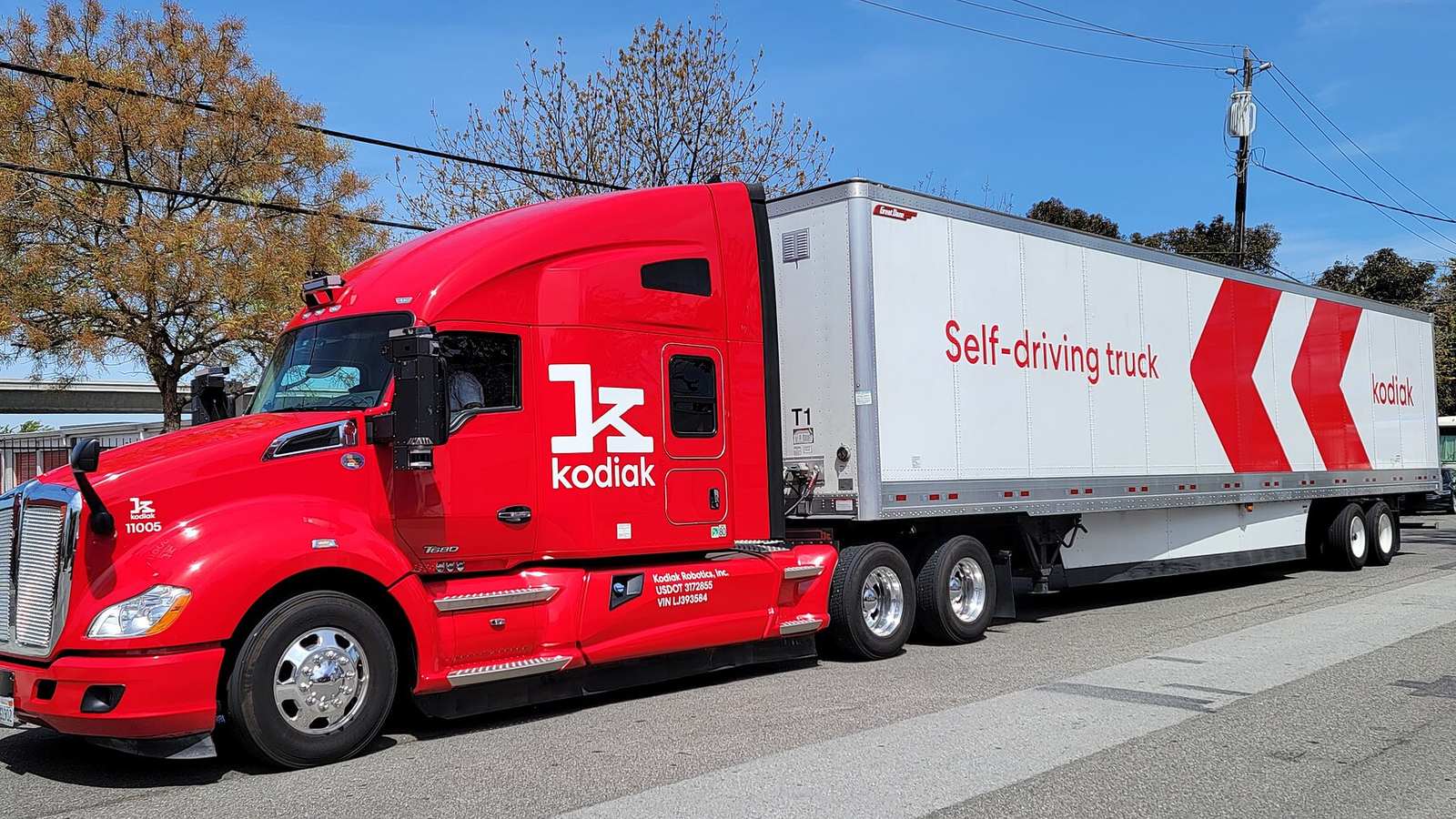
The National Highway Traffic Safety Administration wants a standard look for lights that tell other drivers a vehicle is driving itself.
In a proposed rule published October 26, NHTSA would amend Federal Motor Vehicle Safety Standard No. 108, the lighting standard that covers cars, trucks, buses and most trailers. Comments are due November 25, 2026, under docket NHTSA-2026-1519.
The cyan lamp
The headline change is an optional automated driving system (ADS) marker lamp. If a manufacturer installs one, it would have to meet these specs:
- Color: cyan, the blue-green defined in SAE J578. NHTSA says amber, red or white would not carry a clear meaning.
- Pattern: steady burning when the ADS is engaged. NHTSA asks whether flashing should be allowed for signaling.
- Coverage: one or two lamps each on the front, sides and rear, so four to eight in total.
- Height: at least 15 inches off the ground.
The lamp would not be mandatory. NHTSA said it lacks enough information to show a safety need to require it on every ADS vehicle. It would, however, bar the lamps on vehicles without ADS capability.
Why it matters on the highway
Driverless trucks are already running freight in some states. Today, nothing in FMVSS No. 108 tells a motorist, officer or inspector whether a truck is in automated mode. This proposal would create one common signal if builders choose to use it.
NHTSA cited an international survey of more than 4,400 drivers. Upwards of 80% of U.S. respondents said ADS vehicles should carry a marker lamp.
Other changes in the package
- New headlamp test voltage rules for integral beam headlamps
- Removal of requirements for vertical headlamp arrangements
- Turn signal, hazard and beam-switch control rules limited to vehicles with manual driving controls
- Telltale requirements narrowed the same way
NHTSA said the changes would mostly remove requirements, and it did not put a dollar figure on costs or savings.