Safety Vision asks FMCSA to let fleets swap truck mirrors for its camera system
The company wants a five-year exemption from the two-mirror rule for its View Smart system. FMCSA opens a 30-day comment period on Nov. 18.
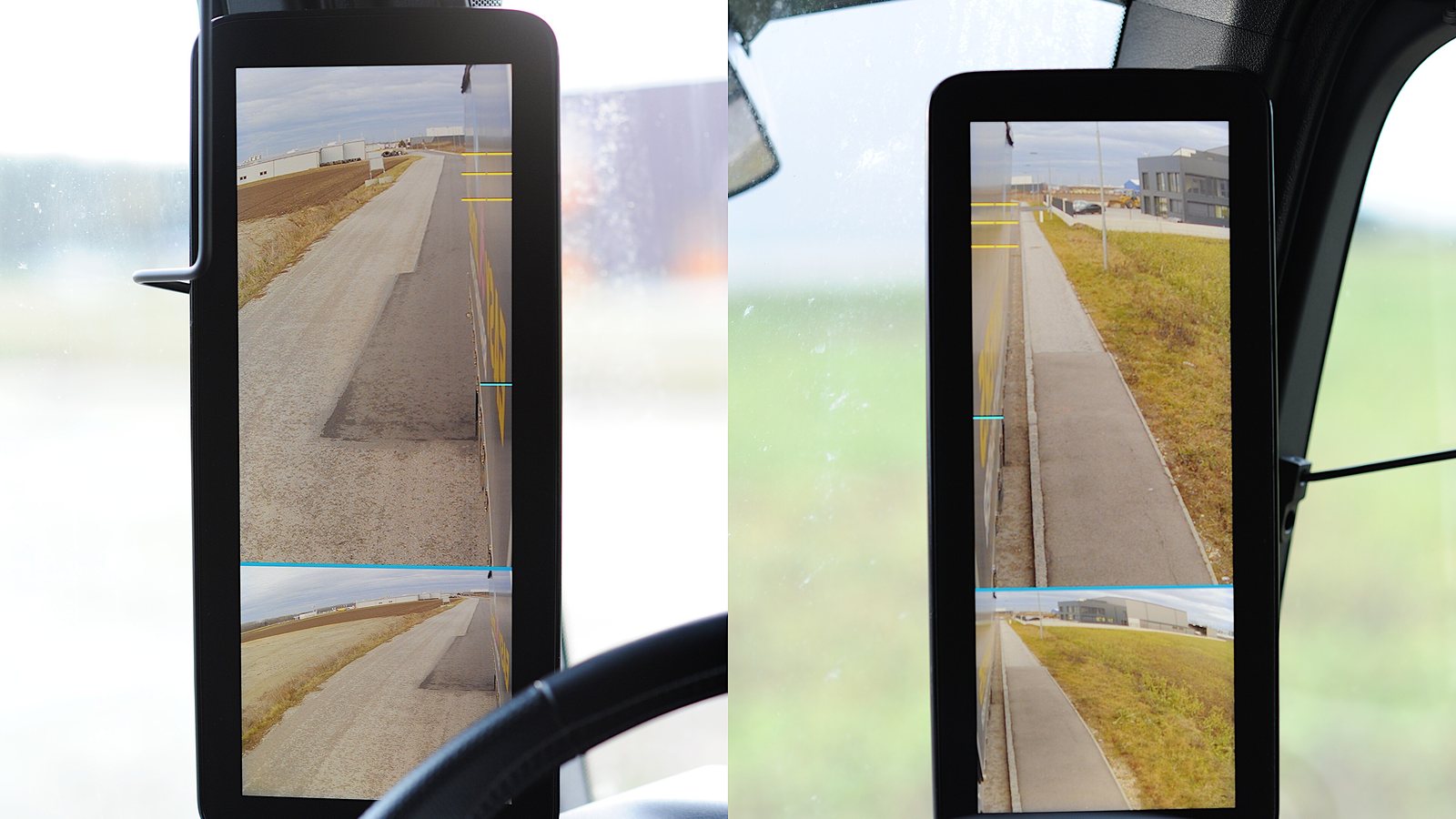
Safety Vision, LLC has asked the Federal Motor Carrier Safety Administration for a five-year exemption that would let motor carriers run its camera-based "View Smart" system in place of the two rear-vision mirrors federal rules require.
FMCSA's notice of the application was filed for public inspection on November 17 and is scheduled to be published in the Federal Register on November 18. Comments are due 30 days after publication, under docket FMCSA-2026-3707. The notice says it does not signal how the agency will decide.
The rule in question
Section 393.80(a) of the Federal Motor Carrier Safety Regulations requires every bus, truck and truck-tractor in interstate commerce to have two rear-vision mirrors, one on each side. The rule cross-references the mirror requirements in Federal Motor Vehicle Safety Standard No. 111.
What Safety Vision says its system does
According to the FMCSA notice, the View Smart camera monitor system uses a dual-lens, weatherproof camera on each side of the vehicle, sending analog signals to monitors mounted on the A-pillars. Safety Vision says:
- the system meets or exceeds FMVSS 111 and covers the UNECE R46 Class II main view and Class IV wide view
- mounting the cameras high and removing the large mirror housings eliminates blind spots near the A-pillars and lowers the risk of collision damage
- the monitors adjust brightness automatically for better visibility in low light
- the system can outline pedestrians or vehicles that approach the cameras' detection zones and sound an audible alert
Since 2024, Safety Vision has supplied camera monitor systems to transit bus operators whose vehicles also kept their required mirrors. The company reports positive feedback on image quality, weatherproofing, viewing angles and reduced driver fatigue.
What happens next
FMCSA will review the application, the company's safety analysis and public comments, then decide whether the exemption would likely achieve a level of safety equivalent to or greater than the mirror rule. The application is available in the docket.