FMCSA turns down a hazmat responder's request to let field drivers run past hours-of-service limits on the trip home
Lone Star Haz Mat Response offered no safety analysis and no countermeasures, the agency said. A second carrier's bid to reverse its own denial on truck markings and the 60-hour limit also failed.
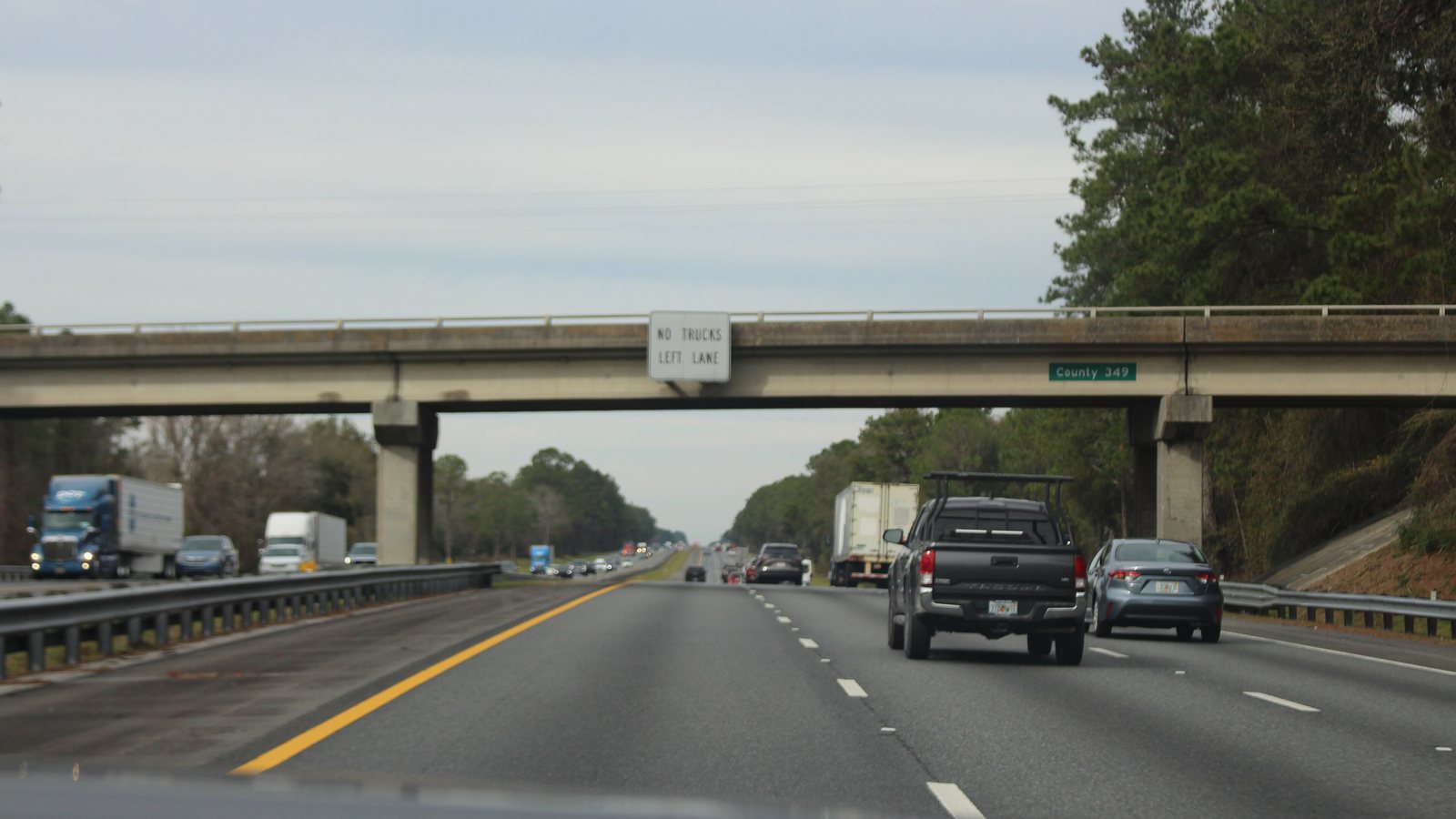
The Federal Motor Carrier Safety Administration has denied a hazmat response company's request to let its drivers exceed the hours-of-service limits when they head home after an incident.
The decision on Lone Star Haz Mat Response, LLC, was filed for public inspection on Nov. 25 and is scheduled to be published in the Federal Register on Nov. 27.
What Lone Star asked for
Lone Star wanted its "field response" drivers to be allowed to go beyond the hours-of-service requirements "for the purpose of returning to their normal work reporting location or residence following hazardous materials incident response operations," FMCSA said. The application was described in a June 30, 2026 Federal Register notice.
The rules it wanted relief from are the core property-carrying limits: 10 consecutive hours off duty before driving, no more than 11 hours of driving within 14 consecutive hours on duty, a 30-minute break after 8 hours of driving, and the 60-hour/7-day and 70-hour/8-day on-duty limits.
What commenters said
FMCSA received five comments, one in support and four opposed.
- An anonymous commenter supported the request, writing that "the circumstances described in the application affect many hazardous materials and emergency response carriers throughout the country and are not unique to Lone Star Hazmat."
- AWM Associates said the application "doesn't address fatigue" and that Lone Star appeared to be "seeking relief from the regulations to overcome its ability to fulfill its contractual agreements."
- Scott Keane wrote that "the practical effect of this exemption is to reposition personnel and equipment for the company's next response. That primarily benefits the carrier, not public safety."
- The Commercial Vehicle Safety Alliance said an exemption "should not be granted simply because they don't comport to a company's or industry's operational model."
- The Truck Safety Coalition, Citizens for Reliable and Safe Highways and Parents Against Tired Truckers said in a joint filing that the application "does not include a single countermeasure that combats driver fatigue."
Why FMCSA said no
The agency said Lone Star's application "does not provide an analysis of the safety impacts" of the exemption and "does not provide any safety countermeasures." Without those, FMCSA said it could not find that the exemption would likely achieve a level of safety equivalent to or greater than the current rules, which is the legal test for any exemption. The notice is signed by FMCSA Administrator Derek D. Barrs.
A second denial, on markings and the 60-hour limit
In a separate notice filed the same day, FMCSA rejected a request from Colorado Huntsman Transport, Inc., doing business as Huntsman Transport (USDOT 4050798), to reconsider the agency's Feb. 6, 2026 denial of two exemptions. Huntsman had asked for relief from the rule that commercial vehicles display the carrier's legal name or trade name and USDOT number, and from the 60-hour/7-day on-duty limit for drivers of passenger-carrying vehicles.
All six comments on the reconsideration request were opposed, including filings from CVSA and the Truck Safety Coalition group. FMCSA said Huntsman "provided no additional information that would alter its prior" decision.
The Lone Star file is docket FMCSA-2026-1521 and the Huntsman file is docket FMCSA-2024-0317 on regulations.gov.