FHWA opens $100 million in congestion relief grants for big metro areas, with applications due Dec. 17
The money is limited to urban areas of more than 1 million people and can pay for traffic management systems, HOV lanes, pricing programs and transit options.
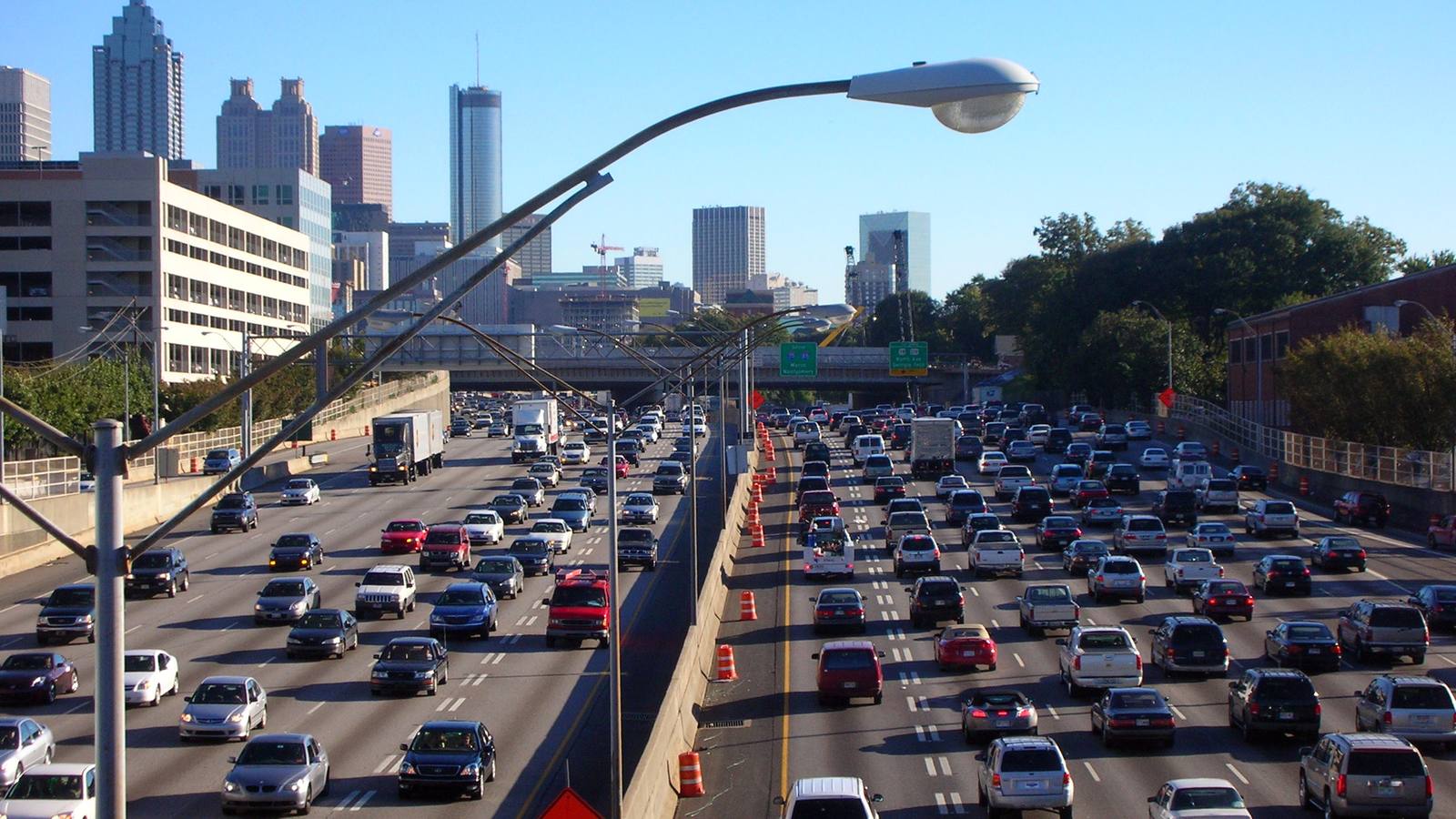
The Federal Highway Administration is offering $100 million in grants for projects that cut congestion in the country's most crowded metropolitan areas.
FHWA announced the funding on Nov. 18 under its Congestion Relief Grant Program. Applications are due by Dec. 17, 2026, and the agency is encouraging applicants to submit eligible projects as soon as possible.
Who can apply and for what
Funding is limited to projects that relieve congestion in areas with a population of more than 1 million people. It can cover planning, design, implementation and construction.
FHWA lists these types of eligible projects:
- An integrated system to actively monitor and manage traffic congestion.
- HOV lanes and parking pricing programs.
- Daily transit options, including commuter buses and vans, express service, paratransit, on-demand microtransit and streamlined payment systems.
The agency says the program aims to make better use of existing highway capacity through intermodal integration, demand management and strategic pricing. Application criteria are in the Notice of Funding Opportunity.
"Gridlock is costing Americans time with their families and money from their wallets," FHWA Administrator Sean McMaster said in the release. He said the program "brings much-needed relief to our most congested metropolitan areas."
FHWA tied the grants to the administration's Freedom to Drive initiative, which it says focuses on maximizing roadway capacity and fast-tracking projects that clear congestion chokepoints.
Why it matters to carriers
The announcement came the same day the American Transportation Research Institute put the cost of highway congestion to the trucking industry at $128.2 billion for 2024.
The FHWA program is not aimed at freight alone. Several of the listed project types, such as pricing programs and transit service, target commuter travel. Fleets that run regularly in large metro areas may still want to watch which projects get funded in their markets, since they affect the same urban corridors trucks depend on.